
Outdoors & Recreation
The Channel Islands, a breathtaking chain of eight islands off the coast of Southern California, offer a wealth of natural beauty, unique ecosystems, and opportunities for outdoor adventure. Stretching from Point Conception to San Diego, five of these islands—Santa Cruz, Santa Rosa, San Miguel, Santa Barbara, and Anacapa—are protected as part of the Channel Islands National Park, while the remaining three, San Clemente, San Nicolas, and Santa Catalina, have their own distinct status and uses. Known as the "Galápagos of North America" for their extraordinary biodiversity, the Channel Islands are home to hundreds of unique species and natural features that make them an ideal destination for nature enthusiasts, marine biologists, and travelers seeking a scenic escape.

Photo by Priya Karkare on Unsplash
Select article below to read or learn more.
Discover Anacapa Island: A Gem of California's Channel Islands
Nestled just off the coast of Southern California lies Anacapa Island, a rugged and enchanting destination that captivates visitors with its pristine beauty and rich history. Part of the Channel Islands National Park, Anacapa Island is a testament to the region's natural wonders and cultural significance. From its formation to its modern-day allure, let's delve into the fascinating story of Anacapa Island.

Formation and History of Anacapa Island
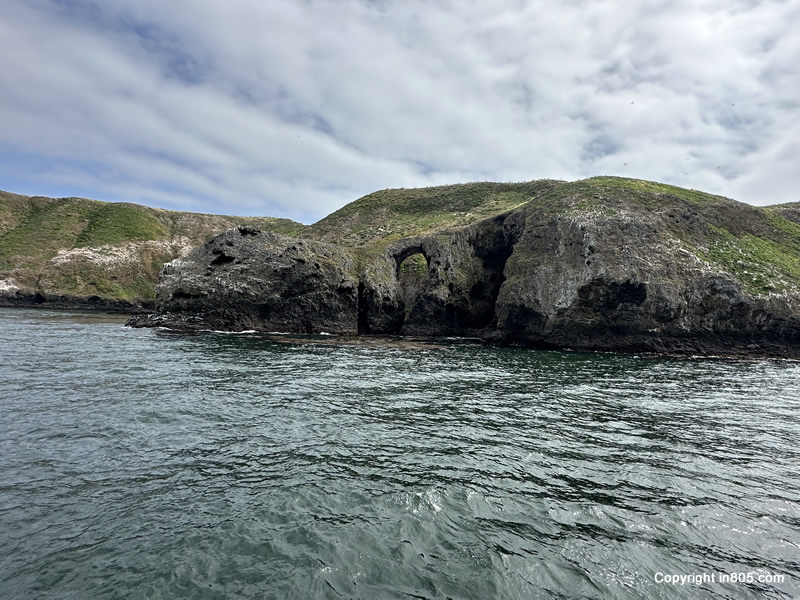
Anacapa Island, like its neighboring Channel Islands, emerged from the sea millions of years ago through volcanic activity and geological shifts. Its distinctive topography, characterized by steep cliffs, sea caves, and rugged terrain, bears the marks of this tumultuous past. Over time, erosion sculpted the island into the breathtaking landscape we see today.
Historically, the island has been inhabited by indigenous peoples for thousands of years. The Chumash, skilled seafarers and hunters, frequented these shores, leaving behind traces of their civilization in the form of shell middens and artifacts. Spanish explorers later charted these waters, bestowing the island with its name "Anacapa," believed to be derived from the Chumash word "Ennacapain," meaning "mirage" or "island of deception."
Visitors and Wildlife
Throughout its history, the island has welcomed a diverse array of visitors, from intrepid explorers to modern-day adventurers. Ships sailing along the California coast often sought refuge in the island's sheltered coves, while fishermen and hunters sought sustenance from its abundant marine life.
One of the most notable aspects of Anacapa Island's history is the introduction of non-native species. Over the years, various animals, such as sheep and rabbits, were brought to the island, unwittingly altering its delicate ecosystem. Efforts to eradicate these invasive species have been ongoing, with the aim of restoring balance to the island's wildlife.
Today, Anacapa Island is home to a wealth of indigenous flora and fauna, including seabirds, marine mammals, and endemic plants. Visitors may catch glimpses of the iconic California brown pelican, western gull, and island fox as they explore the island's trails and cliffs.
Geography and Structures
Measuring just over a mile in length and spanning approximately 700 acres, the island may be small in size, but it boasts a wealth of natural wonders and historic landmarks. The island is comprised of three main islets: East, Middle, and West Anacapa, each offering its own unique attractions.
Perched atop East Anacapa stands the iconic Anacapa Island Lighthouse, a historic beacon that has guided ships along the coast since its construction in 1932. This enduring symbol of maritime heritage offers panoramic views of the surrounding ocean and mainland.

Exploring Anacapa Island
For those eager to experience the wonders of the island firsthand, boat trips offer an ideal way to reach its shores. Several tour companies operate from Oxnard Harbor, providing guided excursions to the island throughout the year.
Typically, day trips to Anacapa include transportation via boat, guided hikes, and opportunities for wildlife viewing and photography. Prices for these tours vary depending on the duration and amenities offered, with average costs ranging from $50 to $100 per person (on average).
Whether you're drawn to its rugged beauty, rich history, or abundant wildlife, Anacapa offers a captivating escape from the hustle and bustle of mainland life. With its pristine shores and timeless allure, it's no wonder that visitors continue to be enchanted by this hidden gem of the California coast.
- Details
- Parent Category: Outdoors & Recreation
Discovering Santa Cruz Island: The Crown Jewel of the Channel Islands
Santa Cruz Island, the largest of California’s eight Channel Islands, is a spectacular destination located just off the coast of Ventura and Santa Barbara Counties. Known for its dramatic cliffs, secluded coves, sea caves, and a rich variety of wildlife, Santa Cruz Island is part of the Channel Islands National Park, with a significant portion protected by The Nature Conservancy.
Photo by Priya Karkare on Unsplash
This remote, unspoiled island spans over 96 square miles and offers a rare glimpse into what coastal California looked like centuries ago. Its terrain ranges from rugged mountains and deep canyons to coastal plains and pristine beaches. Visitors can explore more than 60 miles of hiking trails that wind through wildflower-covered hillsides, ancient oak forests, and striking sea cliffs.
The island’s marine environment is equally captivating. Sea kayaking is especially popular, with visitors paddling through the famed Painted Cave—one of the largest and most vibrant sea caves in the world. Snorkeling and scuba diving are also top activities, offering access to crystal-clear waters filled with kelp forests and diverse marine life.
Santa Cruz Island is home to several rare and endemic species, including the island fox and the spotted skunk. Birdwatchers can expect to see bald eagles, peregrine falcons, and various seabirds throughout the year. The combination of natural beauty, ecological richness, and recreational opportunity makes Santa Cruz Island a must-visit destination.
Boat Charters to Santa Cruz Island
To access the island, visitors must travel by boat from the mainland. Below are charter options departing from Ventura, Oxnard, and Santa Barbara:
From Ventura and Oxnard:
- Island Packers Cruises – Offers public trips and overnight transport to the island.
- Channel Islands Tours – Private boat tours for sightseeing, fishing, and wildlife watching.
- Blue Ocean Charters – Luxury yacht experiences for small groups.
- Channel Islands Sportfishing – Fishing excursions around the island.
- Spectre Dive Boat – Scuba diving and snorkeling charters.
- Peace Dive Boat – Multi-day dive trips to the Channel Islands.
From Santa Barbara:
- Santa Barbara Sailing Center – Private and captained yacht charters for day or overnight trips.
- Santa Barbara Boat Charters – Custom island tours, snorkeling, and whale watching.
- Adventure Boat Charters – High-speed, private boat tours to Santa Cruz Island.
- Captain Jack's Tours – Catamaran excursions with crew-guided experiences.
Search Our 805 Business Directory for Boat Charters
Frequently Asked Questions (FAQs)
How do I reach Santa Cruz Island?
Access is only by boat. Public ferries are available via Island Packers, or you can book a private charter from Ventura, Oxnard, or Santa Barbara.
Are there facilities or shops on the island?
No. Visitors must bring all food, water, and supplies. The island has only basic restroom facilities.
Can I camp on the island?
Yes. The Scorpion Anchorage campground is available with advance reservations through Recreation.gov.
What activities are available?
Popular activities include hiking, sea kayaking, snorkeling, scuba diving, wildlife viewing, and photography.
Are pets allowed?
No. To protect native wildlife, pets are not permitted anywhere on the island.
Do I need a permit to visit?
No permit is needed for public ferry riders or licensed charter users. Private boaters may need a permit for areas managed by The Nature Conservancy.
What is the best time of year to visit?
Spring and summer offer the best weather and wildlife viewing, but the Island is accessible year-round.
Santa Cruz Island is an unforgettable destination offering raw natural beauty and peaceful solitude just a short boat ride from the California coast. Whether you’re seeking adventure or tranquility, the island offers a unique escape into the wild heart of the Channel Islands.
- Details
- Parent Category: Outdoors & Recreation
Discover Santa Rosa Island: A Hidden Gem off the California Coast
Santa Rosa Island, part of Channel Islands National Park, is a remote, pristine destination located roughly 40 miles from Santa Barbara and 26.5 miles off the Ventura coastline. As the second-largest of the Channel Islands at 83 square miles, it offers dramatic coastlines, rare wildlife, and breathtaking hiking trails. With no cars, crowds, or cell service, Santa Rosa Island is a rare chance to completely disconnect and experience nature in its rawest form.
Photo by Priya Karkare on Unsplash
Santa Rosa Island Overview
Santa Rosa Island features an incredible mix of terrain: rugged sea cliffs, grasslands, deep canyons, and rare pine forests. The island is home to over 500 plant species, including the endangered Santa Rosa Island Torrey pine—one of only two native groves in the world.
Visitors can explore windswept canyons, remote beaches, and archaeological sites dating back over 10,000 years. The unique ecology and isolation make it one of California’s best eco-adventure destinations.
History & Cultural Significance
Santa Rosa Island was inhabited by the Chumash people for millennia. The Arlington Springs Man, discovered on the island in 1959, is among the oldest human remains in North America—dated at nearly 13,000 years old.
In the 19th and 20th centuries, European settlers used the island for cattle and sheep ranching. The National Park Service acquired the island in 1986, and decades of restoration efforts have helped native species and ecosystems flourish.
Things to Do on Santa Rosa Island
Hiking Trails
- Lobo Canyon Trail (8 miles round-trip): Hike through a scenic canyon filled with sandstone walls, native plants, and wind-carved formations.
- Cherry Canyon Loop (3 miles): A moderate hike with expansive views and native vegetation.
- Torrey Pines Loop (2 miles): Walk through one of the rarest pine forests on Earth.
Wildlife Viewing
- Island Fox: A once-endangered species now thriving due to conservation.
- Island Scrub Jay: Found only on Santa Cruz Island and occasionally spotted on Santa Rosa.
- Elephant Seals, Sea Lions, Skunks, and many seabirds are commonly seen along the coast.
Camping
- Water Canyon Campground: Offers 15 primitive campsites near the beach. There is no potable water; visitors must pack in all their supplies. Reservations are required at recreation.gov.
Beachcombing & Relaxation
- Water Canyon Beach: Beautiful and secluded, just a short walk from the campground. Great for picnicking, sunbathing, and tidepool exploration.
How to Get to Santa Rosa Island
The island is accessible only by boat or plane, typically from April to October due to weather.
Island Packers Cruises
- Departures: Ventura Harbor
- Rates: ~$96 per adult (day trip), ~$134 (overnight)
- Time: Approx. 3-hour boat ride
Blue Ocean Charters
- Departures: Oxnard
- Private Charters: From $850 for half-day
- Ideal for: Custom group tours and whale watching
Channel Islands Charter
- Departure Ports: Santa Barbara and Oxnard
- Offers: Overnight excursions, diving charters, private tours
- Rates: Based on itinerary
Explore more 805 area charter options at the 805 Business Directory.
Travel Tips
- Season: Best time to visit is April–October. Weather is mild but windy.
- What to Bring: All food, water (1+ gallon/day per person), layered clothing, and camping gear.
- Cell Service: None. Bring maps and printed materials.
- Fires: Campfires are prohibited. Camp stoves allowed.
Frequently Asked Questions (FAQs)
How big is Santa Rosa Island?
The island covers approximately 83 square miles, making it the second-largest of the Channel Islands.
Can I stay overnight on the island?
Yes, you can camp at the Water Canyon Campground with a reservation through recreation.gov.
Are pets allowed?
No. Pets are not permitted in Channel Islands National Park to protect wildlife and natural resources.
Is there potable water on the island?
No. All drinking water must be brought in by visitors.
Is the island family-friendly?
Yes, but due to limited access and facilities, it is best suited for families with older children who are comfortable hiking and camping.
Plan Your Trip
- Park Info: nps.gov/chis
- Camping Reservations: recreation.gov
- Boat Charters Directory: 805 Business Directory - Boat Charters
- Details
- Parent Category: Outdoors & Recreation
Discover and Explore the Channel Islands
The Channel Islands, a breathtaking chain of eight islands off the coast of Southern California, offer a wealth of natural beauty, unique ecosystems, and opportunities for outdoor adventure. Stretching from Point Conception to San Diego, five of these islands—Santa Cruz, Santa Rosa, San Miguel, Santa Barbara, and Anacapa—are protected as part of the Channel Islands National Park, while the remaining three, San Clemente, San Nicolas, and Santa Catalina, have their own distinct status and uses. Known as the "Galápagos of North America" for their extraordinary biodiversity, the Channel Islands are home to hundreds of unique species and natural features that make them an ideal destination for nature enthusiasts, marine biologists, conservationists, and travelers seeking a scenic escape from the urban sprawl of Los Angeles and Ventura County.
Photo credit: Photos courtesy of unsplash.com and license thereof.
History of the Channel Islands
The Channel Islands have a rich history dating back over 13,000 years. These islands were once home to the Chumash and Tongva Native American tribes, who fished, hunted, and traded on the islands long before European settlers arrived. Archaeological evidence, including tools and boat remnants, indicates the Chumash were among the world’s earliest seafaring peoples, showcasing advanced maritime skills for their time.
Later centuries saw the islands transformed by ranching, whaling, and military activity. Spanish explorers first mapped the islands in the 16th century, and by the 1800s, sheep and cattle ranching began to alter the landscape. During World War II, San Clemente and San Nicolas Islands served as military training grounds—roles they still partially maintain today. Current conservation efforts aim to reverse the environmental damage and restore the islands' native ecosystems.
Channel Islands National Park
Established in 1980, Channel Islands National Park spans five of the eight islands and their surrounding marine environments. It protects more than 249,000 acres of land and sea, offering a rare glimpse of California’s coastal wilderness. Because of their isolation, the park's islands serve as a biological refuge, home to over 145 species found nowhere else on Earth, making it a premier destination for ecotourism and scientific research.
Getting to the Islands
There are no bridges or airports on the islands, so access is only available by sea or air. Island Packers Cruises, the official park concessionaire, provides regular ferry service from Ventura and Oxnard to the park islands. Charter boats and private vessels also reach the islands, while Channel Islands Aviation offers air service to Santa Rosa Island.
Exploring the Channel Islands
Each of the Channel Islands offers its own distinct landscapes, ecosystems, and visitor experiences:
Santa Cruz Island
Santa Cruz Island, the largest of the Channel Islands, features dramatic cliffs, sea caves, and over 15 hiking trails. Popular sites include Scorpion Ranch, Potato Harbor, and the Painted Cave—one of the largest sea caves in the world. It’s also home to the endemic Santa Cruz Island fox and abundant marine life in surrounding kelp forests.
Santa Rosa Island
Known for its rolling hills and white sand beaches, Santa Rosa Island is a remote paradise for backcountry hikers and beachgoers. Visitors can explore the rare Torrey pine groves, enjoy solitude on Water Canyon Beach, and observe endemic plant species and fossils, including the remains of pygmy mammoths.
San Miguel Island
San Miguel Island is the westernmost and most rugged of the Channel Islands. It features a cold, windy climate, but rewards adventurers with dramatic views, pinniped colonies, and the opportunity to visit the historic Lester Ranch site. Landing requires special arrangements due to military oversight and weather conditions.
Santa Barbara Island
The smallest of the park islands, Santa Barbara Island is ideal for a day hike along the coastal bluffs or a quiet overnight camping trip. Its cliffs support nesting seabirds, and the clear offshore waters are perfect for snorkeling. Interpretive signs help visitors learn about the island’s ecology and geology.
Anacapa Island
Anacapa Island is the most accessible of the Channel Islands and perfect for first-time visitors. The island’s East, Middle, and West islets are home to sea birds, sea lions, and dramatic volcanic rock formations. The Anacapa Lighthouse, tidepools, and Inspiration Point trail are must-see highlights.
Wildlife and Conservation
The Channel Islands are recognized globally for their biodiversity. The islands are home to over 2,000 species of animals and plants, with many found nowhere else on Earth due to the islands’ isolation. Notable species include:
- Island Fox: These foxes are unique to six of the eight Channel Islands and are a conservation success story after near extinction in the 1990s.
- Bald Eagles: Reintroduced in the early 2000s, bald eagles now thrive, helping control invasive species like feral pigs.
- Scripps's Murrelet: A rare seabird species that nests in crevices along island cliffs, particularly on Santa Barbara and Anacapa Islands.
Surrounding waters are protected as part of the Channel Islands National Marine Sanctuary, offering refuge to dolphins, sea lions, migrating whales, and colorful fish like the Garibaldi. Conservation efforts include habitat restoration, removal of invasive species, and strict visitor guidelines to reduce human impact.
Top Activities on the Channel Islands
Outdoor enthusiasts will find no shortage of activities across the islands:
- Hiking and Backpacking: Explore dozens of scenic trails through coastal scrub, grasslands, and canyons. Backcountry camping is allowed on several islands.
- Kayaking and Paddleboarding: Navigate sea caves and arches—especially on Santa Cruz and Anacapa—for unforgettable views of marine geology and wildlife.
- Scuba Diving and Snorkeling: Dive into the vibrant underwater ecosystems of kelp forests, reefs, and sea caves, with high visibility and abundant marine life.
- Whale Watching: Take boat tours to witness gray, blue, and humpback whale migrations, especially in winter and early summer.
- Birdwatching and Photography: With over 60 nesting species and incredible natural light, the islands are a dream for birders and photographers alike.
Best Times to Visit the Islands
The islands offer year-round access, but the best times to visit depend on your interests. Spring (March–May) brings wildflowers and nesting seabirds, while summer and early fall (June–October) offer calmer seas for kayaking and snorkeling. Winter months are ideal for whale watching. Always check weather conditions and ferry schedules in advance, as wind and fog can affect accessibility.
Preserving the Islands
Despite their isolation, the islands face significant environmental pressures, including rising sea levels, invasive species, and human impact. The National Park Service and non-profits like The Nature Conservancy lead conservation programs, including the eradication of invasive species, replanting of native vegetation, and protection of archaeological sites. Education and low-impact tourism are critical to sustaining the islands for future generations.
Plan Your Trip to the Channel Islands
Whether you're a seasoned backpacker, a wildlife enthusiast, or simply seeking a peaceful escape into nature, the islands offer a once-in-a-lifetime experience. For more planning tips, ferry schedules, and maps, visit the official Channel Islands National Park website or book a guided trip with Island Packers Cruises.
From Ventura County to Santa Barbara and beyond, the Channel Islands are Southern California’s ultimate natural getaway—protected, pristine, and unforgettable.
- Details
- Parent Category: Outdoors & Recreation