
A County-by-County Guide to the Most Iconic Historic Sites Along California’s 805 Area: Ventura, Santa Barbara & San Luis Obispo Counties
California’s 805 region—encompassing Ventura County, Santa Barbara County, and San Luis Obispo County—offers one of the richest concentrations of preserved history along the West Coast. From Spanish missions founded in the 1700s to oil boom headquarters, ranch adobes, courthouses, and Gilded Age estates, the Central Coast tells the story of California’s evolution through architecture and place.
For locals, these landmarks provide a deeper understanding of regional identity. For visitors, they create an immersive travel experience where coastal beauty meets centuries of living history. Whether perched on a hilltop overlooking the Pacific or tucked into historic downtown districts, each site offers a window into the people and industries that shaped the 805.
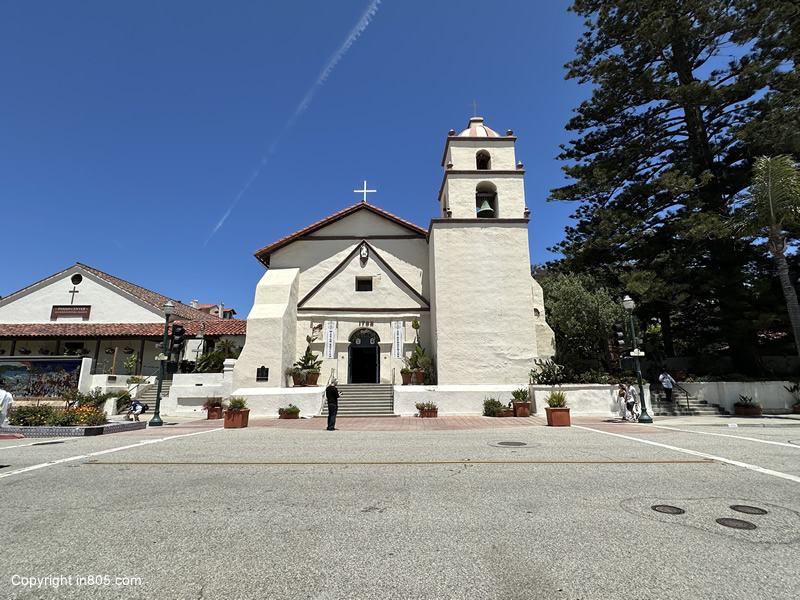 Mission Basilica San Buenaventura (Ventura Mission)
Ventura County Historic Landmarks
Ventura County County Overview
Ventura County’s historic landscape reflects its transition from Chumash homeland to Spanish mission territory, and later into an agricultural and oil-producing powerhouse. Railroad expansion and coastal trade fueled its growth, and many original structures remain preserved in downtown cores and rural valleys.
From civic buildings to preserved adobes, Ventura County landmarks highlight the blend of Spanish, Mexican, and early American influences that defined the region’s development.
Mission San Buenaventura
https://www.sanbuenaventuramission.org
Founded in 1782, Mission San Buenaventura stands as the ninth mission established along California’s El Camino Real. Its hilltop location overlooking the Pacific made it strategically important for agriculture and maritime travel. The mission complex includes the original church, gardens, cemetery, and museum housing religious artifacts and early tools.
Inside, visitors will find hand-carved wooden altars, historic paintings, and exhibits detailing Chumash life and Spanish colonization. The surrounding grounds remain an active parish, blending living faith with preserved history in the heart of downtown Ventura.
Ventura County Courthouse (Ventura City Hall)
https://www.cityofventura.ca.gov
Completed in 1912, this Beaux-Arts style structure was designed to symbolize civic pride and stability during Ventura’s early growth years. Its grand columns, marble interiors, and ornate ironwork reflect early 20th-century public architecture.
Perched above downtown, the building offers sweeping views of the coastline and Channel Islands. Though now functioning as City Hall, it remains one of Ventura’s most recognized historic landmarks and a centerpiece of the city skyline.
Serra Cross & Grant Park
Overlooking Ventura from the hills above downtown, Serra Cross commemorates Father Junípero Serra’s role in founding the mission. The current cross dates to 1944, replacing earlier versions that marked the original mission site.
Beyond its religious symbolism, the illuminated cross has become a defining visual landmark for the city. Visible at night from much of Ventura’s coastline, it serves as both a navigational point and cultural icon.
Ortega Adobe
Built in 1857 for merchant Raymundo Ortega, this adobe reflects middle-class Californio life following the Mexican land-grant era. Constructed from sun-dried bricks, the home features thick walls and preserved period furnishings.
Today, it operates as a museum showcasing family artifacts and domestic life exhibits—offering a rare look at everyday life in 19th-century Ventura.
Plaza Park
Established in the 1800s, Plaza Park has long served as Ventura’s civic gathering place. Surrounded by historic buildings, it remains central to community events.
Festivals, markets, and concerts continue to activate the park, reinforcing its role as Ventura’s historic town square.
 Santa Barbara Mission
Santa Barbara County Historic Landmarks
Santa Barbara County County Overview
Santa Barbara County’s architecture reflects Spanish Colonial, Mexican Rancho, and Mediterranean Revival influences shaped by earthquakes, ranching wealth, and tourism.
The result is one of California’s most cohesive historic identities—where preservation defines the regional aesthetic.
Old Mission Santa Barbara
https://www.santabarbaramission.org
Founded in 1786, the “Queen of the Missions” remains one of California’s most iconic landmarks, known for its twin bell towers and rose gardens.
Its preserved chapels and artifacts provide deep insight into Franciscan and Chumash history.
Santa Barbara County Courthouse
Rebuilt after the 1925 earthquake, this Spanish-Colonial Revival landmark features murals, chandeliers, and tiled staircases.
The clock tower offers panoramic views of the city and coastline.
El Presidio de Santa Bárbara State Historic Park
Established in 1782 as a Spanish military fort, El Presidio protected early settlers.
Restored adobes and archaeological sites allow visitors to experience colonial military life.
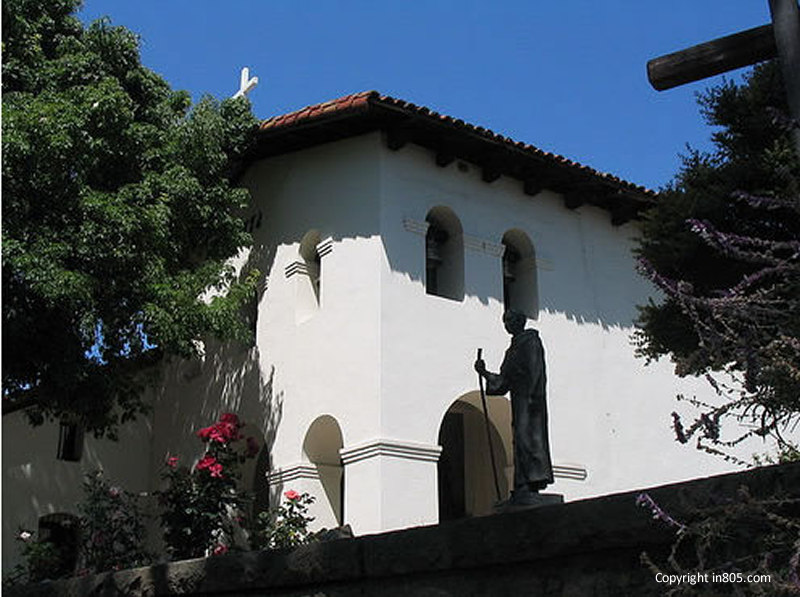 San Luis Obispo Mission
San Luis Obispo County Historic Landmarks
San Luis Obispo County County Overview
San Luis Obispo County’s landmarks span mission settlements, rancho adobes, and media-era estates. Agriculture, ranching, and publishing wealth all left architectural legacies.
These sites collectively trace the county’s evolution from frontier outpost to cultural destination.
San Luis Obispo
https://missionsanluisobispo.org
Mission San Luis Obispo de Tolosa (San Luis Obispo Mission)
Founded in 1772, this mission became a key supply center due to fertile surroundings and strategic location.
Today, its plaza anchors downtown life, hosting markets, festivals, and public gatherings.
Dallidet Adobe & Gardens
Built in the 1850s, this French-influenced adobe reflects early winemaking and horticulture traditions.
Operated as a museum, it preserves gardens, furnishings, and artifacts tied to pioneer entrepreneurship.
San Simeon
Hearst Castle
Commissioned in 1919 by publishing magnate William Randolph Hearst, this 165-room estate blends European architectural styles.
Designed by Julia Morgan, the property includes guest houses, pools, theaters, and terraced gardens overlooking the Pacific.
Paso Robles
Paso Robles Inn
Dating to the 1880s, the inn grew around natural hot springs believed to have healing powers.
It has hosted presidents and celebrities while remaining a cornerstone of downtown hospitality.
Rios-Caledonia Adobe
Built in 1835, this adobe served travelers along El Camino Real.
Restoration preserves living quarters and courtyards tied to the rancho land-grant era.
Pismo Beach
Price Historical Park
Once home to the Price family, the park preserves historic ranch buildings and exhibits.
Relocated structures and docent programs interpret coastal settlement and tourism growth.
Arroyo Grande
Heritage Square Park
This outdoor museum features preserved schoolhouses, barns, and Victorian homes.
Living-history events and demonstrations showcase early agricultural village life.
Why These Landmarks Matter
Together, these landmarks form a living timeline of the 805—from Indigenous heritage to modern tourism economies.
Explore More with in805.com
Discover more local guides, road trips, and Central Coast history features on in805.com — Your Guide to the 805.