
High Bacteria Levels in Water off the Beaches of the 805 Area of California
High Bacteria Levels In Water Off Local Beaches - The 805 area of California is home to some of the most beautiful and popular beaches along the Pacific Coast. Stretching from Ventura County to Santa Barbara County and San Luis Obispo County, this region boasts scenic shorelines, vibrant coastal cities, and numerous recreational opportunities. From the bustling beaches of Ventura and Oxnard to the serene shores of Santa Barbara and Pismo Beach, residents and tourists alike flock to these sandy havens for sunbathing, swimming, and surfing. However, recent news has highlighted a concerning issue: high bacteria levels in the ocean water off these beloved beaches.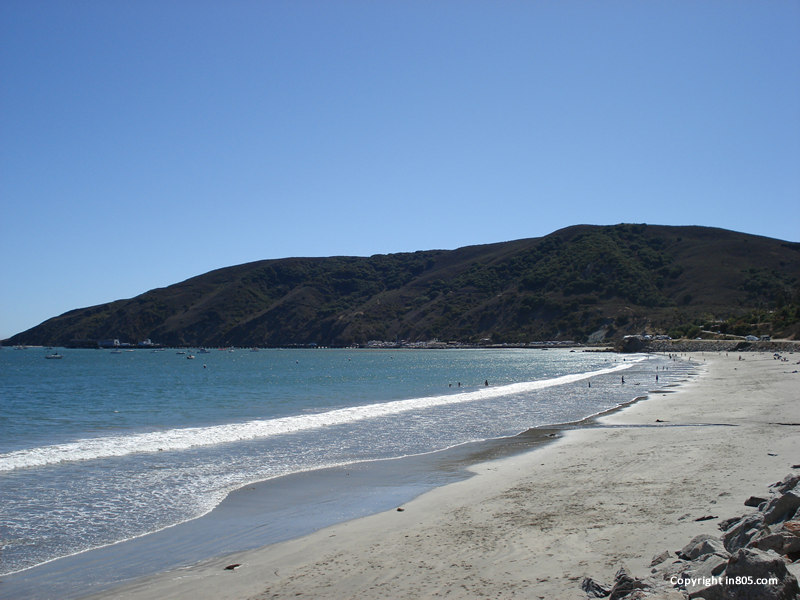
Ocean Beaches in the 805 Area of California
Ventura County offers stunning coastal destinations such as Ventura Beach, Oxnard Beach, and Point Mugu State Park. These beaches are known for their wide expanses of sand, excellent surf spots, and family-friendly environments. Moving north to Santa Barbara County, the beaches here, including East Beach, Leadbetter Beach, and Carpinteria State Beach, are renowned for their picturesque landscapes and calm waters. Further up the coast, San Luis Obispo County features the famous Pismo Beach, Avila Beach, and Morro Bay, where visitors enjoy a mix of rugged cliffs and expansive sandy stretches.
Recent News About High Bacteria Levels In Water Off Local Beaches
In recent months (2024), several beaches in the 805 area have reported elevated levels of bacteria in the ocean water, posing health risks to swimmers and beachgoers. According to a report by the Ventura County Environmental Health Division, several beaches, including Surfer’s Point in Ventura and Silver Strand Beach in Oxnard, have experienced intermittent spikes in bacteria levels due to urban runoff and storm water discharge.
Similarly, Santa Barbara County has seen closures and advisories at popular spots such as Arroyo Burro Beach and Goleta Beach Park. The Santa Barbara County Public Health Department attributes these high bacteria levels to agricultural runoff and wastewater discharge, exacerbated by recent rainfalls.
In San Luis Obispo County, Pismo Beach and Avila Beach have also faced water quality issues. Reports from the San Luis Obispo County Public Health Department indicate that these problems are often linked to sewage spills and agricultural runoff, particularly after heavy rains.
Causes of High Bacteria Levels In Water Off Local Beaches
The primary causes of high bacteria levels in ocean waters include:
1. Urban Runoff: Rainwater can pick up pollutants from streets, yards, and industrial areas, carrying them into the ocean.
2. Sewage Spills: Leaks and overflows from sewage systems can introduce harmful bacteria into the water.
3. Agricultural Runoff: Fertilizers, pesticides, and animal waste from agricultural lands can be washed into the ocean, contributing to bacterial contamination.
4. Storm water Discharge: Heavy rains can overwhelm drainage systems, leading to increased runoff and higher bacteria levels.
When to Avoid Ocean Beaches
To minimize health risks, it is advisable to avoid swimming or engaging in water activities at the beach during and immediately after heavy rainstorms. The first 24 to 72 hours following significant rainfall are particularly critical, as runoff is most likely to be contaminated with high levels of bacteria during this period. Additionally, pay attention to local health advisories and beach closure notices issued by county health departments.
What to Do If You Have Been Infected
If you suspect you have been exposed to contaminated water and are experiencing symptoms such as skin rashes, ear infections, gastrointestinal issues, or respiratory problems, seek medical attention promptly. Inform your healthcare provider about your recent exposure to ocean water and follow their recommendations for treatment. To reduce the risk of infection, always rinse off with fresh water after swimming in the ocean and avoid swallowing seawater.
Months to Avoid Ocean Waters
While bacterial contamination can occur year-round, certain months are more prone to high bacteria levels due to increased rainfall and runoff. The winter months, typically from November through March, see higher incidences of rainfall in the 805 area, leading to more significant runoff and potential bacterial contamination. Staying informed about water quality reports and beach advisories during these months is essential for safe beach outings.
Sources Reporting High Bacteria Levels In Water Off Local Beaches
Several news outlets and health departments have reported on the high bacteria levels in ocean waters off the 805 area beaches. Notable sources include:
1. Ventura County Star: Regular updates on beach water quality and health advisories in Ventura County.
2. Santa Barbara Independent: Reports on beach closures and water quality issues in Santa Barbara County.
3. The Tribune (San Luis Obispo): Coverage of water contamination incidents and public health alerts in San Luis Obispo County.
4. County Health Department Websites: Official notices and water quality reports from Ventura, Santa Barbara, and San Luis Obispo County Public Health Departments.
The 805 area of California beaches are a treasure trove of natural beauty and recreational opportunities, but staying informed about water quality and potential health risks is crucial for safe enjoyment of these coastal gems.