
California's 805 region is known for its beautiful beaches, rugged coastline and diverse marine life. But some of the most fascinating coastal experiences happen in small pools of seawater tucked between rocks along the shore. These natural tide pools reveal an underwater world filled with sea anemones, tiny crabs, mussels, barnacles and other marine creatures.
From Ventura County to Santa Barbara County and San Luis Obispo County, tide pooling offers a unique way to explore the Pacific Ocean. It is an excellent activity for families, nature enthusiasts, photographers and anyone interested in discovering more about California's Central Coast.
Whether you are planning a weekend outing or looking for a new outdoor adventure close to home, this guide highlights places to explore tide pools in and around the 805 region, along with tips for choosing the best time to visit and protecting the delicate marine life that makes these places special.
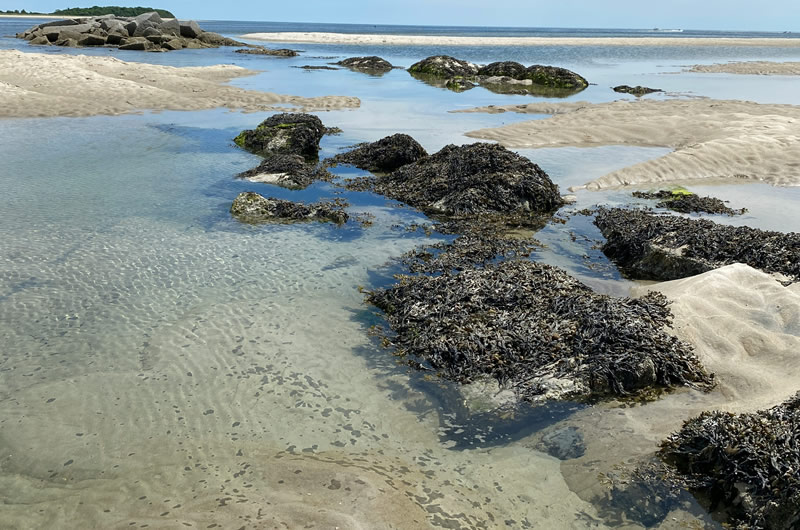 Photo by Elaine Brewer on Unsplash
What Are Tide Pools?
Tide pools are small pools of seawater that remain among rocks when the ocean recedes during low tide. They form along rocky shorelines in the intertidal zone, the area between the high- and low-tide marks that is alternately covered by seawater and exposed to air.
These pools support a variety of marine life. Depending on the location and conditions, visitors may spot sea anemones, hermit crabs, small fish, snails, barnacles, mussels, limpets, sea stars and sea urchins. Some creatures are easy to recognize, while others blend into the rocks and require a closer look.
Tide pools are also natural learning environments. Children and adults can observe how marine animals survive changing water levels, shifting temperatures and ocean waves. The best discoveries often happen when visitors slow down, look carefully and observe without disturbing the habitat.
Best Tide Pools in Ventura County
Ventura County has a varied coastline, but not every beach has accessible rocky tide pools. Before planning a visit, check the specific location, tide conditions, surf forecast and current park access information.
Emma Wood State Beach
Located along the coast in Ventura, Emma Wood State Beach is known for its Pacific Ocean views, shoreline recreation and coastal wildlife. The park is an option for visitors exploring Ventura's coastline, although the available activities and accessible shoreline areas depend on current conditions.
As of October 2026, California State Parks lists the North Beach day-use area as closed because of a construction project. Other portions of the park have separate access conditions, so check the official park alert before making plans. Do not assume that the closed section is accessible for tide pooling.
For visitors seeking exposed rocky tide pools, it is worth checking current local information and considering other established tide-pooling destinations in the neighboring counties.
Best Tide Pools in Santa Barbara County
Santa Barbara County offers several established coastal destinations where rocky shorelines and intertidal habitats provide opportunities to observe marine life during low tide. Carpinteria State Beach and El Capitán State Beach are two places to consider.
Carpinteria State Beach
Located in Carpinteria, Santa Barbara County, Carpinteria State Beach features a diverse shoreline with sandy beach areas, rock outcroppings and tide pools. The park provides an opportunity to explore the intertidal environment while enjoying the coastal scenery.
Visit around low tide to improve your chances of seeing exposed tide pools. Depending on conditions, you may find small marine animals among the rocks or observe how different organisms occupy the shoreline. Wildlife sightings vary, and visitors should avoid touching or moving animals.
Carpinteria State Beach is also known for its dunes and estuary habitat. Check the park's official website for current conditions, access information and any posted restrictions before visiting.
El Capitán State Beach
Located along the coast west of Santa Barbara in Santa Barbara County, El Capitán State Beach features a sandy shoreline, rocky tide pools and stands of sycamore trees. It is a worthwhile destination for visitors interested in coastal scenery and intertidal wildlife.
Plan your visit around a suitable low tide and check surf conditions before exploring the rocks. Wet surfaces can be slippery, and incoming waves may reach areas that initially appear safe. Follow all posted signs and stay within accessible areas.
The beach also offers opportunities for picnicking, swimming, surfing and camping, subject to current conditions and park rules. Check the official website for access alerts and facility updates.
Channel Islands National Park: An Offshore Tide-Pooling Adventure
For a more adventurous coastal experience, consider Channel Islands National Park, located offshore from Southern California. The park protects rocky intertidal habitats that support sea anemones, sea stars, urchins, limpets, periwinkles, chitons, barnacles, mussels and many other marine organisms.
The National Park Service identifies several tide-pooling locations across the islands. These include Frenchy's Cove on Anacapa Island, Smuggler's Cove on Santa Cruz Island, Becher's Bay and other locations on Santa Rosa Island, and the eastern end of Cuyler Harbor on San Miguel Island.
Unlike mainland beaches, the islands require advance transportation planning. Boat and plane services, landing arrangements, weather and ocean conditions can affect access. Check the National Park Service website and authorized transportation providers before making reservations.
Because these are protected natural habitats, observe wildlife without collecting organisms or disturbing their surroundings. Follow all park regulations and any island-specific guidance.
Best Tide-Pooling Areas in San Luis Obispo County
San Luis Obispo County is known for its rugged Central Coast, scenic bluffs and rocky shoreline. Some areas offer opportunities to observe intertidal wildlife when tides and ocean conditions are suitable. Always confirm that the particular shoreline area is accessible before setting out.
Montaña de Oro State Park
Located southwest of Los Osos, Montaña de Oro State Park is known for its rugged coastline, coastal trails, dramatic bluffs and scenic coves. Spooner's Cove is a popular starting point for exploring the park's shoreline and enjoying views of the Pacific Ocean.
When tides and ocean conditions permit, rocky coastal areas can provide opportunities to look for intertidal organisms. The exact wildlife visible varies by location and conditions, so visitors should not expect to find the same species on every visit.
Montaña de Oro is also worth visiting for its scenery, hiking opportunities and coastal photography. Stay on designated access routes, avoid unstable rocks and bluffs, and check current California State Parks information for parking, trail access and restrictions.
Shell Beach and the Pismo Beach Coastline
The Shell Beach area near Pismo Beach features sections of rugged coastline, coastal bluffs and rocky shoreline. It is a scenic part of San Luis Obispo County to consider when planning an outing focused on coastal exploration and marine wildlife.
Tide-pooling opportunities vary by beach and access point. Research the specific location before visiting, and do not assume every rocky section contains accessible tide pools. Some areas have steep or difficult access, and climbing down bluffs or crossing hazardous terrain can be dangerous.
Check local tide information, surf conditions and any posted restrictions before approaching rocky shoreline areas. If access is unsafe, enjoy the coastal views from a designated public area instead.
For a broader day trip, combine coastal sightseeing with a visit to Pismo Beach or other nearby communities along the Central Coast.
What Marine Life Can You Find in 805 Region of California Tide Pools?
One of the most rewarding parts of tide pooling is discovering how much life can exist in a small area. The species you see depend on the location, season, tide level and environmental conditions.
Sea Anemones
Sea anemones often resemble colorful flowers attached to rocks. They are marine animals that use tentacles to capture food. When covered by water, their tentacles may extend into the surrounding pool; when exposed, some retract to help conserve moisture.
Hermit Crabs
Hermit crabs are fascinating to watch as they move between rocks and through shallow pools. Many species use empty shells for protection, making shells an important part of their habitat.
Sea Stars
Sea stars, sometimes called starfish, can occur in rocky intertidal environments. Their presence varies by location and local conditions, so visitors should never assume they will find them at every tide pool. Observe any sea stars you encounter without picking them up or moving them.
Mussels, Barnacles and Limpets
These animals attach themselves to rocks in the intertidal zone. Mussels often form dense clusters, barnacles create rough patches on exposed surfaces, and limpets use their muscular feet to cling tightly to rocks.
Sea Urchins and Small Fish
In suitable habitats, visitors may also spot sea urchins and small fish hiding in deeper pools or crevices. Look closely without putting your hands into holes or moving rocks. Some animals are well camouflaged, and sharp surfaces can cause injuries.
When Is the Best Time to Visit Tide Pools?
The best time to explore tide pools is generally around low tide, when the ocean recedes and exposes more of the rocky intertidal zone. Tide times and heights change daily and vary by location, so consult a tide chart for the specific beach you plan to visit.
Consider arriving before the predicted low tide so you have time to explore as the water recedes. Begin returning to safer, higher ground as the tide rises. Never assume that a low tide guarantees safe conditions, since surf, swell and sudden waves can still make rocky areas dangerous.
For a more enjoyable outing:
- Check a local tide chart and look for a daylight low tide.
- Consider a negative low tide when available, but remember that surf and access conditions are equally important.
- Check weather forecasts, surf conditions, park alerts and beach closures.
- Wear sturdy shoes with good traction that can get wet.
- Allow enough time to leave the rocks before the tide returns.
- Choose a location with safe, legal public access.
There is no single best month for every tide-pooling location. Tide heights, daylight hours, seasonal conditions and park access all influence when a visit will be most enjoyable. Verify conditions for your chosen destination instead of relying on a general seasonal recommendation.
Tide Pooling Safety Tips
Tide pooling is an enjoyable way to experience California's coastal environment, but rocky shorelines can be slippery and unpredictable. A little preparation can help make the outing safer for everyone.
- Wear sturdy footwear with good grip. Avoid flip-flops and going barefoot on rocky shores.
- Keep an eye on the ocean, not just the tide pools. Unexpected waves can reach areas that appear dry.
- Never turn your back on the ocean while exploring near the water's edge.
- Stay off unstable rocks and avoid climbing coastal bluffs or entering restricted areas.
- Keep children close to an adult, especially around slippery surfaces and incoming surf.
- Do not enter tide pools when waves are large or conditions appear unsafe.
- Check for closures, posted rules and access restrictions before setting out.
Safety should always take priority over reaching a particular pool or seeing a specific animal. If ocean conditions are rough, enjoy the view from a safe location and save your tide-pooling adventure for another day.
How to Protect Tide Pool Wildlife
Tide pools are fragile ecosystems. Marine animals have adapted to specific conditions, and even small disturbances can damage their habitat. Responsible visitors can help protect these environments for future generations.
- Look without touching whenever possible.
- Do not collect sea stars, crabs, shells, rocks or other natural items from protected areas.
- Do not pry mussels, limpets or other animals off rocks.
- Avoid stepping on seaweed, animals or clusters of marine life.
- Do not turn over rocks to search for hidden creatures.
- Keep trash out of the ocean and carry out everything you bring.
- Follow posted rules and any additional guidance provided by park staff.
Remember that a tide pool is a living habitat, not an aquarium. The best way to enjoy it is to observe animals where they naturally live and leave the shoreline as you found it.
Plan Your Central Coast Tide Pool Adventure
From Carpinteria State Beach and El Capitán State Beach in Santa Barbara County to the rugged coast of San Luis Obispo County and the offshore islands of Channel Islands National Park, the 805 region of California offers memorable ways to experience California's marine environment.
Ventura County visitors can explore the local coastline while checking current access conditions, and travelers willing to venture farther can discover additional beaches and rocky habitats throughout the neighboring counties.
Whether you are introducing children to coastal wildlife, exploring with a camera or simply looking for a different way to spend time outdoors, tide pooling can reveal a side of the Pacific that many beach visitors never notice.
Choose a location with appropriate access, check the tides and ocean conditions, bring suitable footwear and explore responsibly. You may discover that some of the most interesting coastal experiences are found in the small pools left behind when the waves recede.
Continue exploring In 805 for more local guides, outdoor adventures, beaches, parks, attractions and things to do throughout Ventura, Santa Barbara and San Luis Obispo Counties. In 805 is your guide to California's 805 region.
Sources and Further Information
Use these official resources to plan your tide-pooling adventure, learn about coastal wildlife, and check park access and conditions before visiting.
- Emma Wood State Beach — California State Parks
- Carpinteria State Beach — California State Parks
- El Capitán State Beach — California State Parks
- Tidepooling at Channel Islands National Park — National Park Service
- Find a California State Park
Park conditions and access can change. Always consult the official destination website for current alerts, restrictions and safety information before visiting.
Published October 11, 2026, In 805 Media (in805.com)